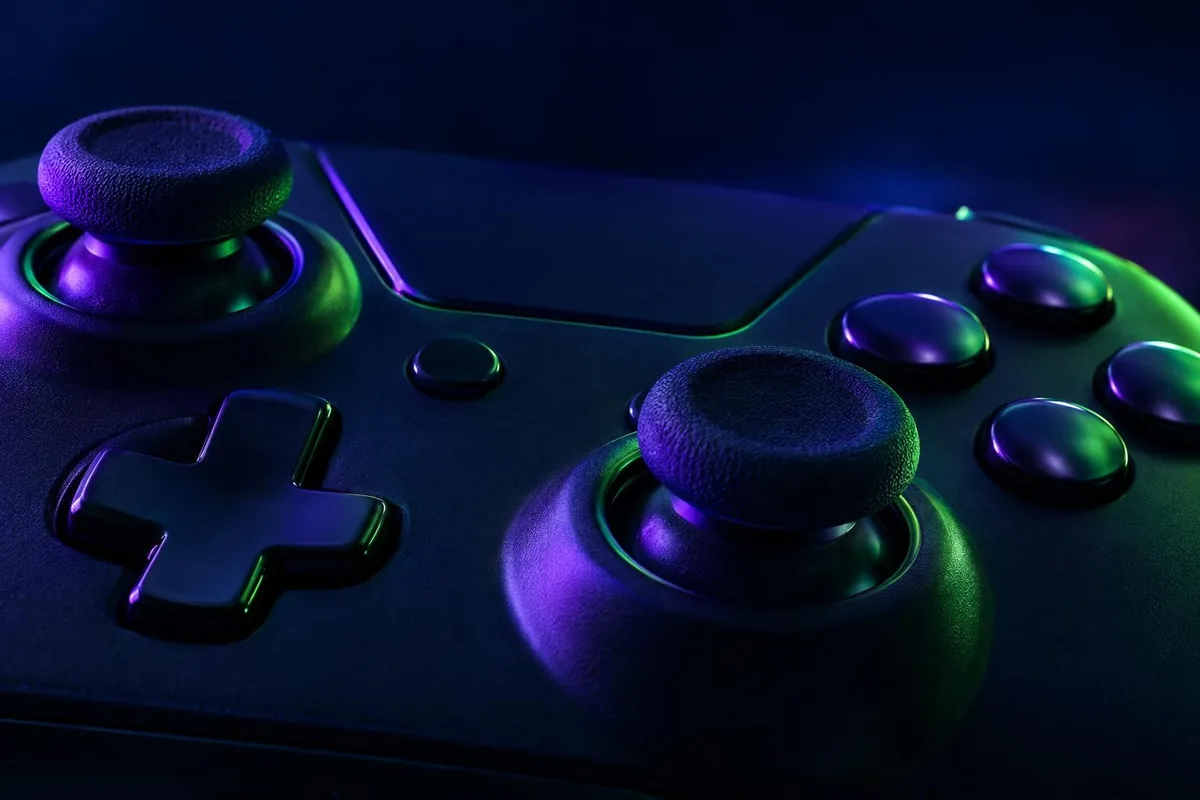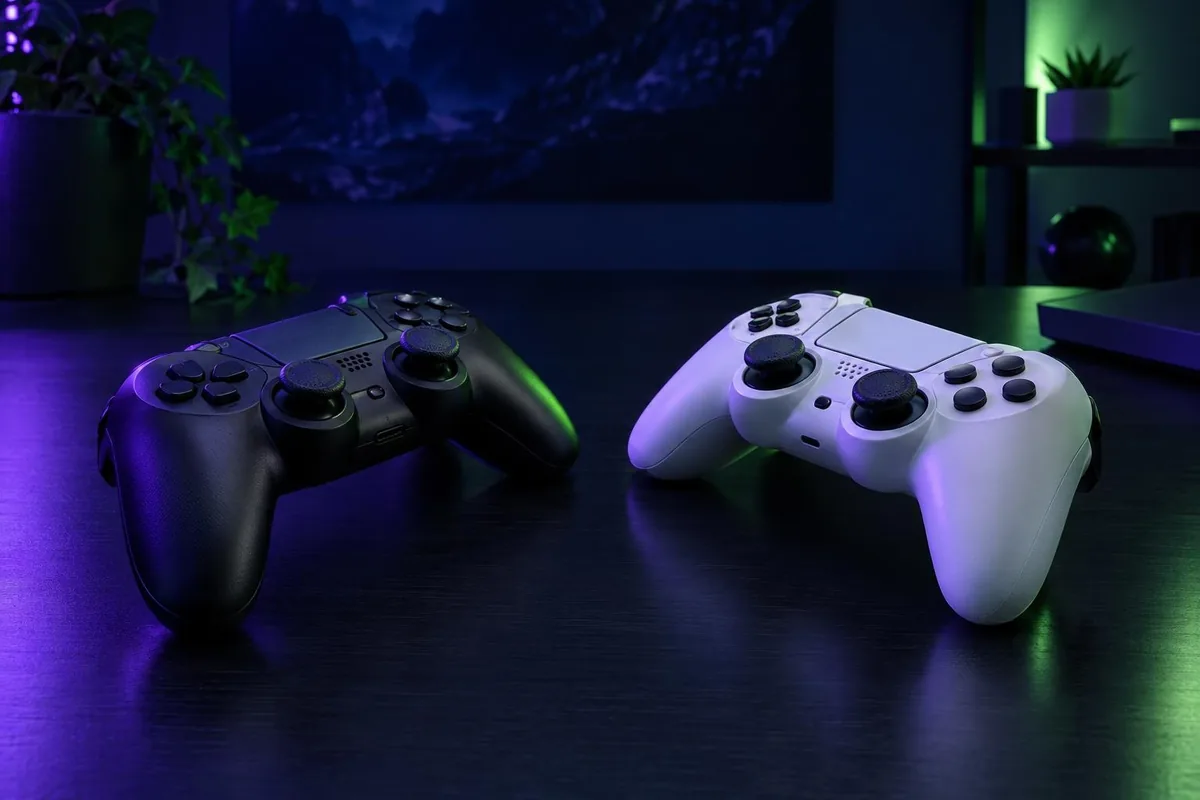








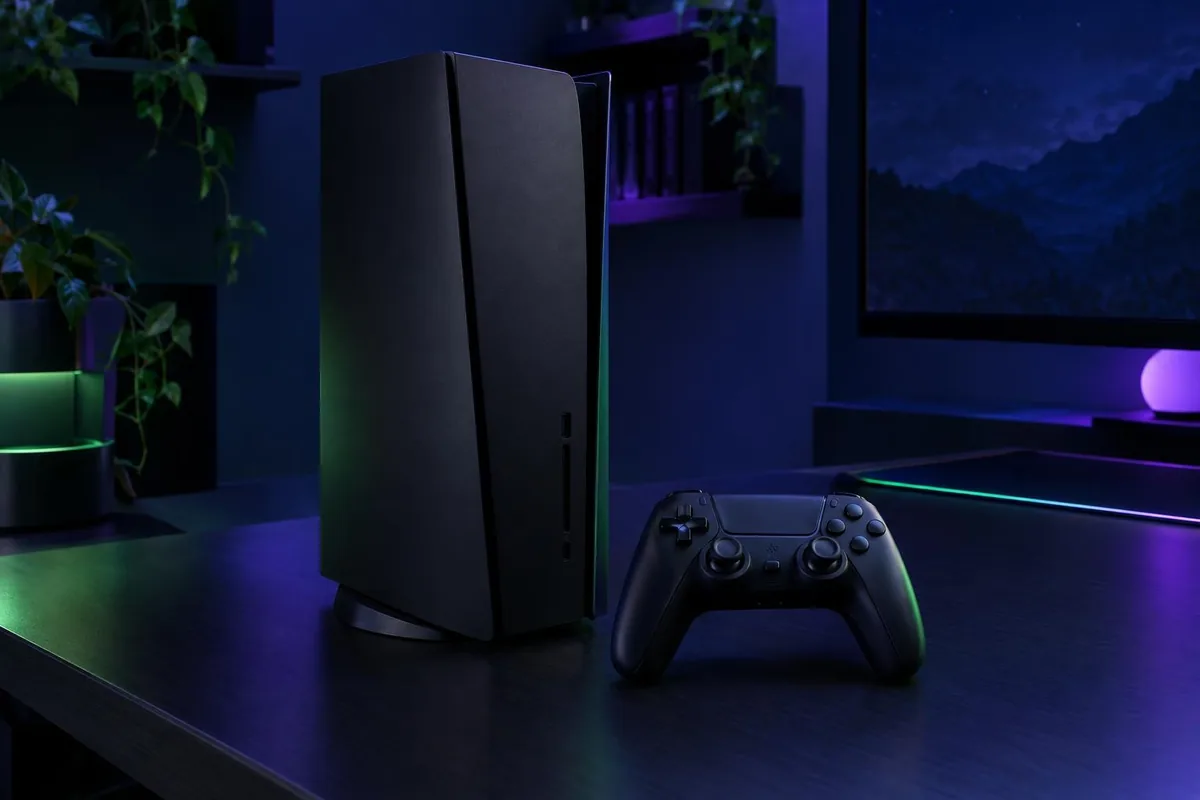
Every generation of consoles brings sharper graphics, faster loading and bigger worlds, yet the part of the system you touch most has barely changed shape in twenty years. The controller in your hands decides more about how a game feels than most players realise.
Triggers, sticks and the sense of weight
Modern pads use adaptive triggers that push back when you draw a bow or brake a car, and analogue sticks with dead zones tuned per game. Small differences here change everything: a racing game with a narrow trigger range feels twitchy, while a shooter with a wide dead zone feels sluggish. Most games now let you adjust both, and spending five minutes in the settings is the cheapest upgrade you can make.
Haptics as a second soundtrack
Rumble used to be one motor shaking the whole pad. Today’s haptic motors can simulate rain on an umbrella, footsteps on gravel or the click of a lock. Developers treat it as a layer of feedback alongside audio, and turning it off removes more information than many players expect.
Why touch screens never replaced the pad
Phones are powerful enough to run console-quality games, but fingers on glass cover the screen and give no physical feedback. That is why mobile developers design differently: short sessions, large tap targets and simple inputs. Puzzle games, card games and casual online casino games are built around one-handed taps rather than precise stick control, which is exactly what a phone does well. If you play anything with real money on your phone, set a limit first and treat it as entertainment rather than income.
Getting more from the pad you own
- Update the controller firmware; latency and battery fixes arrive this way.
- Lower vibration intensity instead of disabling it completely.
- Remap buttons you press often to the back paddles if your pad has them.
- Use a wired connection for competitive play to remove wireless lag.
Hardware generations come and go, but the controller remains the bridge between player and game. Tuning it to your hands is the quickest way to make every title feel better.